
Corsica in winter
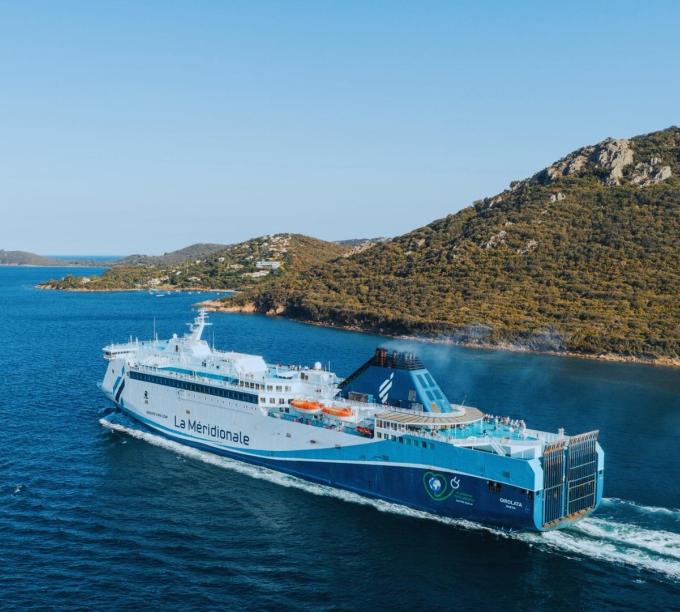
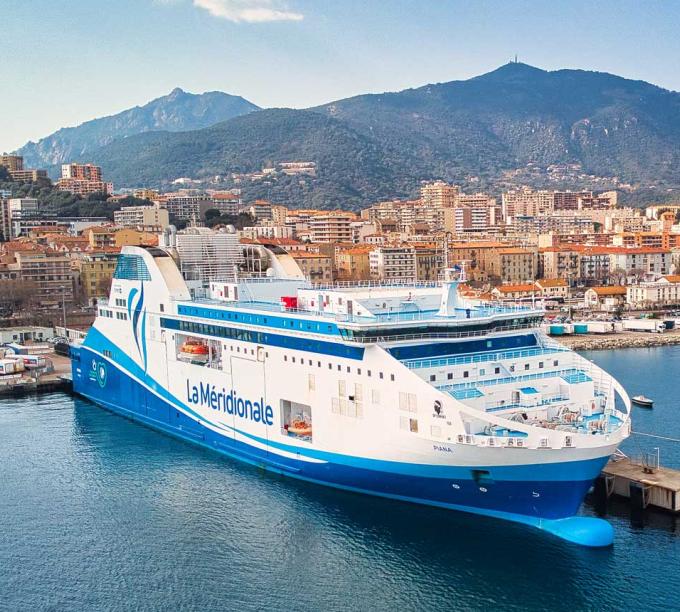
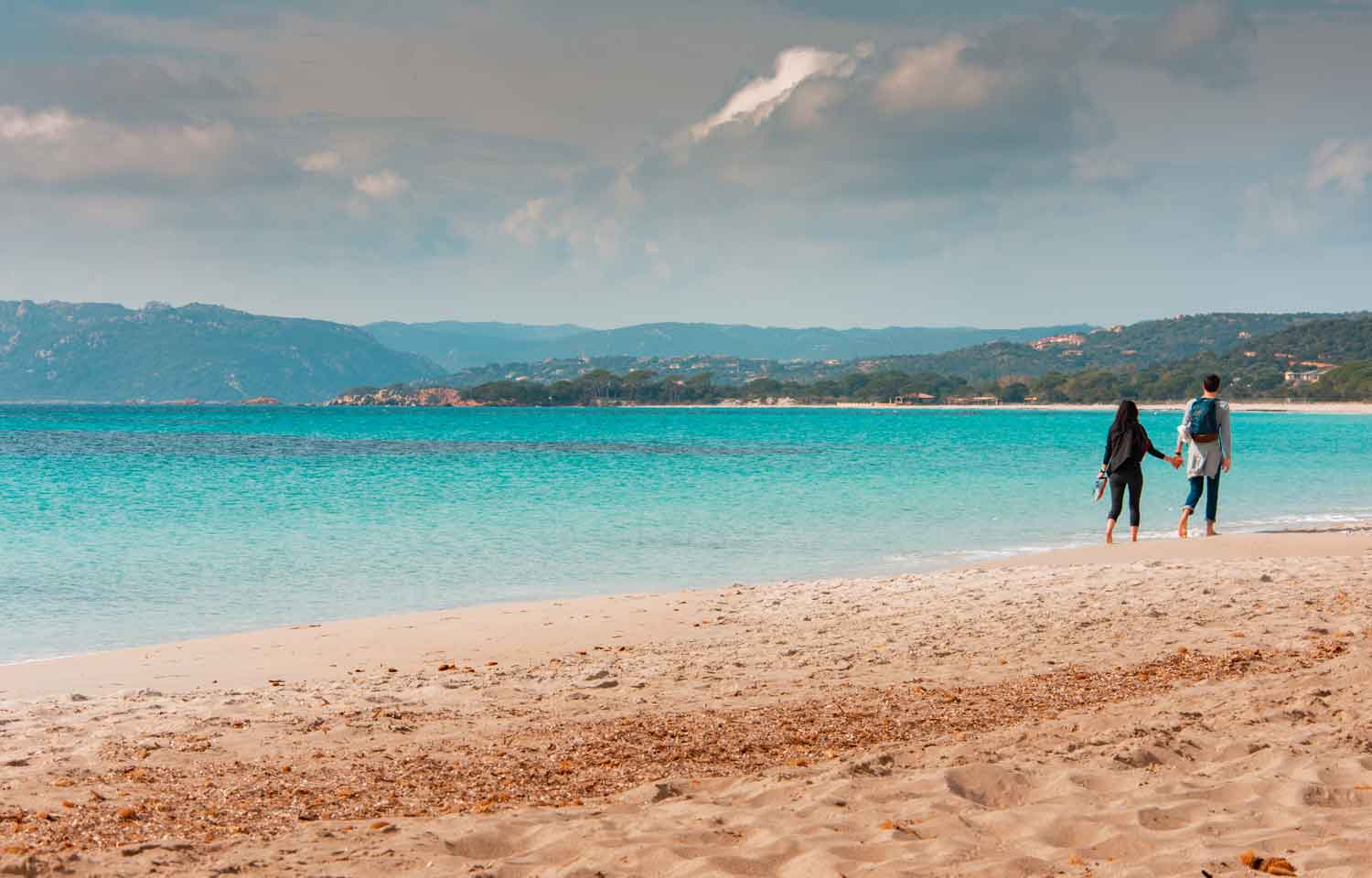
Board La Méridionale to discover Corsica in winter! With its Mediterranean climate, the Isle of Beauty can be visited all year round. But in the off-season, it reveals a completely different face. While the temperatures drop, the sky remains blue, the beaches are empty and encounters with the islanders multiply.
Destination Corsica in winter
Do you dream of discovering the Sanguinaires archipelago, but can't stand the heat? Would you like to admire the Calanques de Piana away from the crowds? Come to Corsica in winter! Between November and February, the weather remains favorable for exploring the Isle of Beauty.
The weather in Corsica in winter
Corsica has a Mediterranean climate. While it snows at high altitudes, in towns and on the coast, it almost never freezes.
During the day, the temperature doesn't drop below 14°C, even in the depths of winter. The average temperature in Propriano in November is 18°C! But don't forget to bring a sweater and a coat. In the evening and at night, the mercury drops below 10°C.
The sun also continues to shine. In December, when the days are shortest, you'll enjoy at least six hours of daily sunshine. Rain remains rare. With 102 millimeters of water and eleven days of rain, the eleventh month of the year is the wettest.
You don't mind the cold? Then you can go for a swim! In Corsica, in November, the sea is still 18°C. Between December and March, you'll have to be brave to take a dip. The Mediterranean is only 14°C. However, if you're well equipped, you can enjoy water sports such as longe-côte, sea kayaking and scuba diving.
The weather varies from town to town. In Haute-Corse, in Bastia, it's still 16°C in November. The mercury then drops to 13°C in January and February. Expect an average of seven hours of sunshine a day and five to eight days of rain a month.
In Southern Corsica, you gain a few degrees. In Ajaccio, the thermometer reads 18°C at All Saints' Day, 15°C at Christmas and 14°C at the start of the year. If the sun shines almost every day, remember to take your umbrella. There are between six to ten rainy days a month.
In Porto-Vecchio, the weather is almost the same. You visit the salt city under the sun, but rainfalls can occur eight days in the month. During the day, it averages 17°C in November and 14°C the rest of the winter.
In Bonifacio, the mercury oscillates between 17°C in autumn and 13°C in winter. It rains six to nine days a month, but never for very long. No more than 79 millimeters fall per day.
Fairs, festivals and other events in Corsica in winterr
In Corsica, winter is a great time to discover local products and the traditions associated with them through village fairs and festivals.
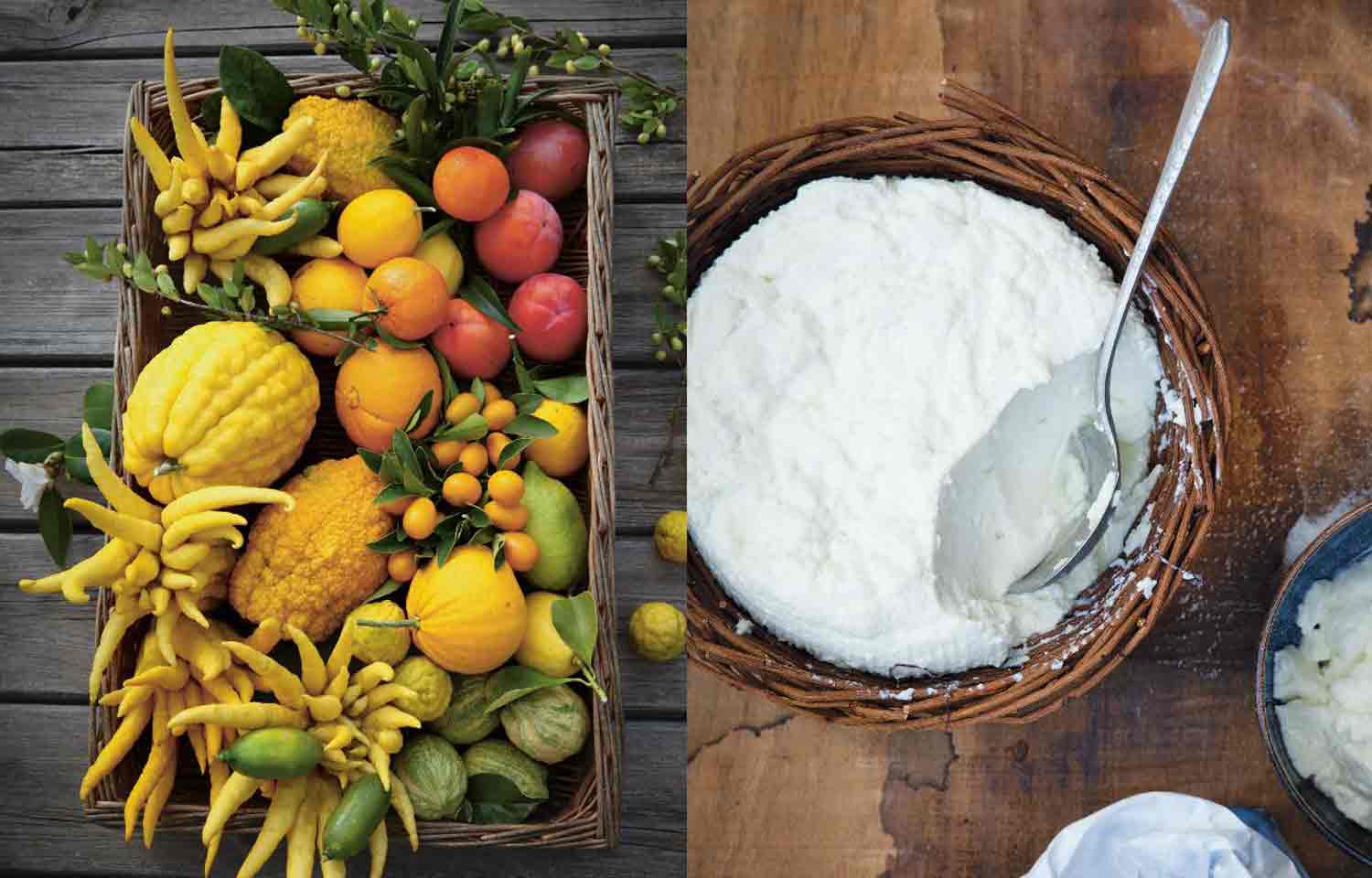
In Evisa, in the mountains, chestnuts and mushrooms are in the spotlight. Local producers set up their stalls in December to let you taste flour, cakes and other specialities all accompanied by traditional music. At Bastellicaccia, in western Corsica, in February, citrus fruits are the stars. While clementines are the main attraction, lemons, oranges, grapefruits and kumquats are also well represented sold fresh, as biscuits, or in jams.
Finally, in Bastellica and Tolla, apples and other autumn fruits are celebrated. The Reinette apple is enjoyed in all its forms : fresh, as juice, or as jelly.
From December 15 to April 15 it's the sea urchin season. They can only be caught and eaten during these four months. If you're visiting Corsica at this time of year, you'll be able to mingle with amateur fishermen during oursinades and enjoy your catch afterwards, on the beach. Not feeling like a modern day Robinson Crusoe? Order a fresh dozen from one of the coastal restaurants.
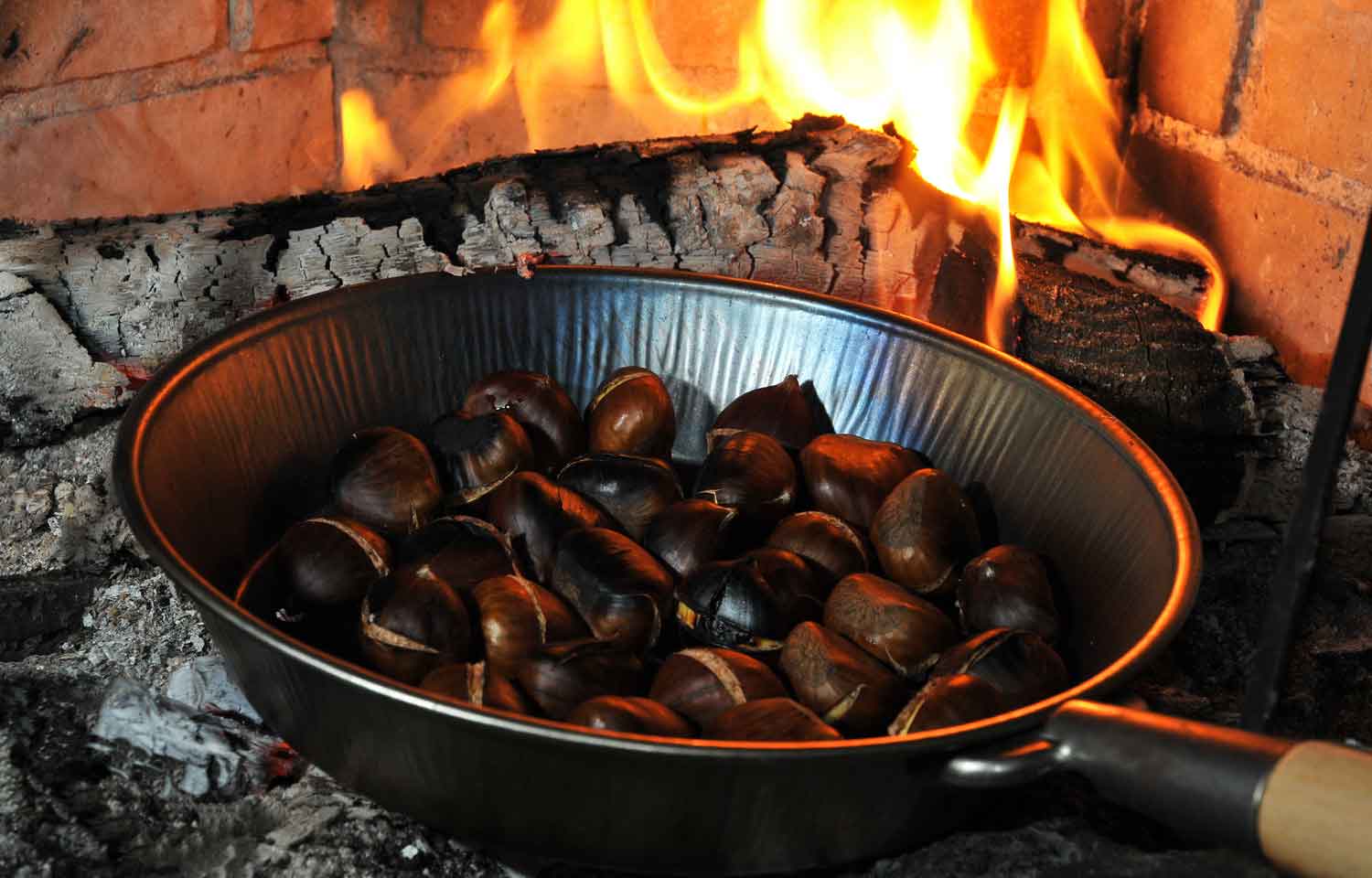
The most eagerly awaited event is undoubtedly the Bocognano Chestnut Fair (in Corsican, Fiera di a Castagnana). For 40 years, in December, Corsican producers and craftsmen have come together to showcase the island's terroir and know-how. Between concerts, exhibitions and culinary demonstrations, take the time to taste polenta and buy a few souvenirs. Gastronomy is of course the main focus. But you'll also find basketry, books and ceramics on the stalls.
What to visit in Corsica in winter
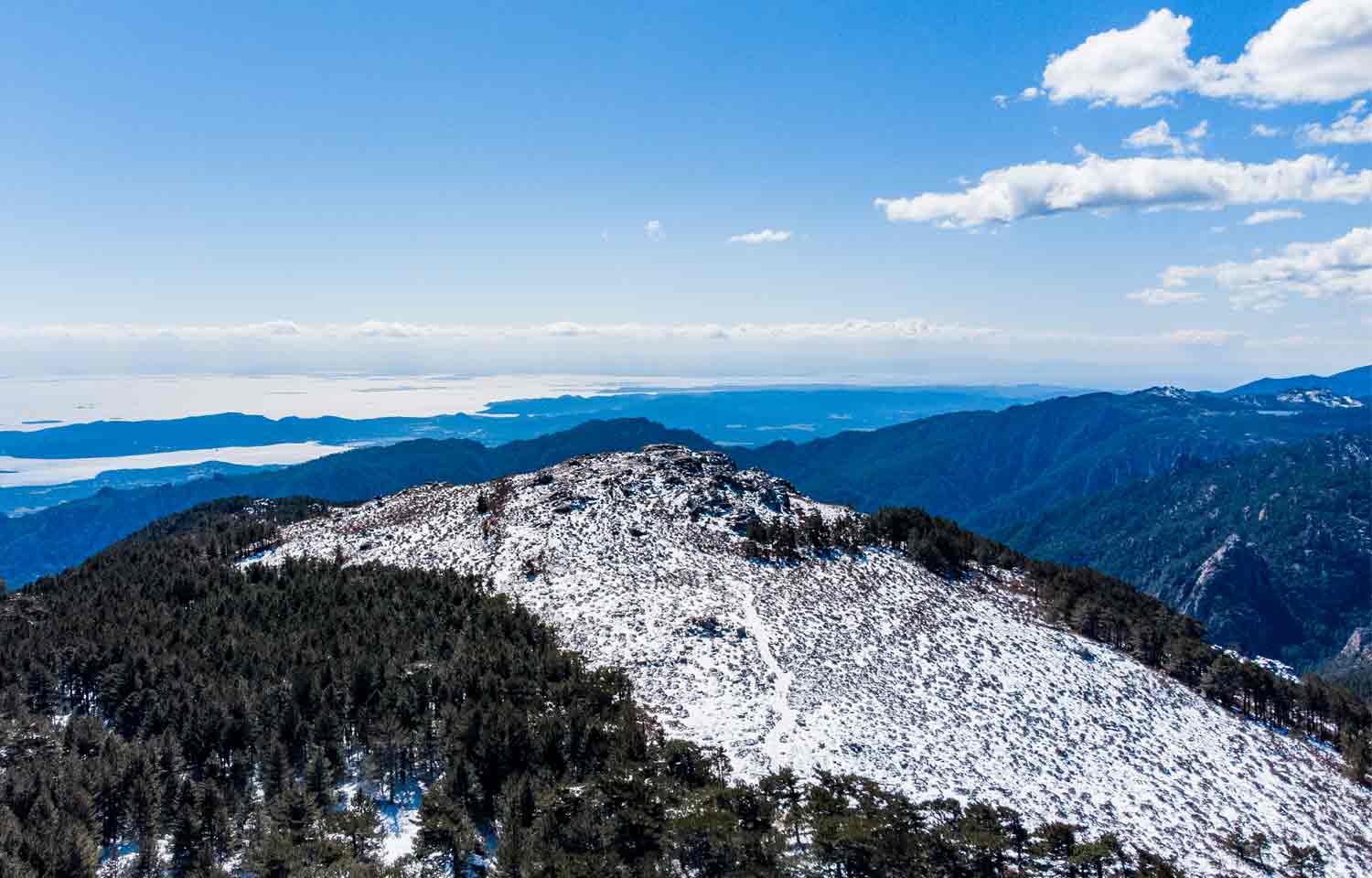
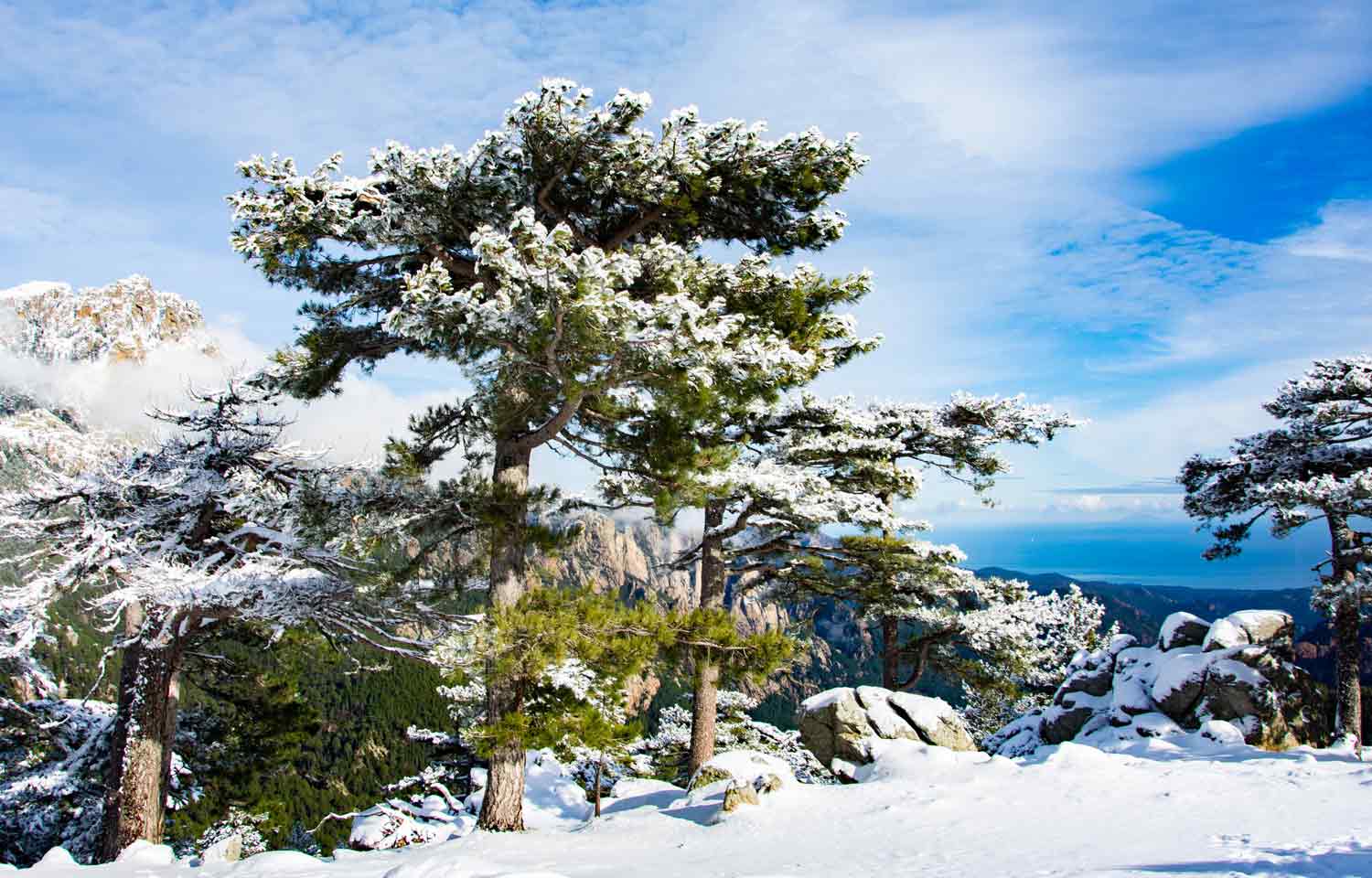
Some museums close during the low season. However, most tourist and natural sites remain accessible in Corsica during the winter. You can go hiking, for example. In summer, the ascent of Monte Gozzi takes place under a blazing sun. But there's no need to get up at the crack of dawn to hike under favorable skies from October onwards. After a three-hour walk, you'll be rewarded with a breathtaking view of Ajaccio Bay and the Gravona Valley. In winter, when it snows on the Aiguilles de Bavella, put on your snowshoes for an unforgettable excursion. The crunch of powder and the flakes on the trees make the site magical.
If you're too chilly to try a dip in the sea in Corsica in January, head for the hot springs. In the heart of nature and at spa resorts, you can treat yourself to a moment of relaxation. At Guitera, the water at over 40°C is renowned for its sulfur content. Very popular in summer, the place is almost deserted between November and March. For more temperate water, head for Pietrapola, Baracci and Caldane. In these equipped baths, the water temperature is lowered below 40°C so you can immerse yourself for longer. You can also rent a deckchair and order a Corsican speciality.
Visiting Corsica between December and February is an opportunity to indulge in winter sports.
The Isle of Beauty has several resorts, particularly in the south. In Ghisoni, Asco and Bastelica, you can ski or snowboard down the blue, green and red slopes. If you're a fan of sliding and downhill skiing, choose the Val d'Ese, in Bastelica. With 20 hectares of slopes and 100 hectares off-slopes, it's the largest ski area in the region. Accessible in an hour's drive from Ajaccio, it's a convenient destination for a day getaway.
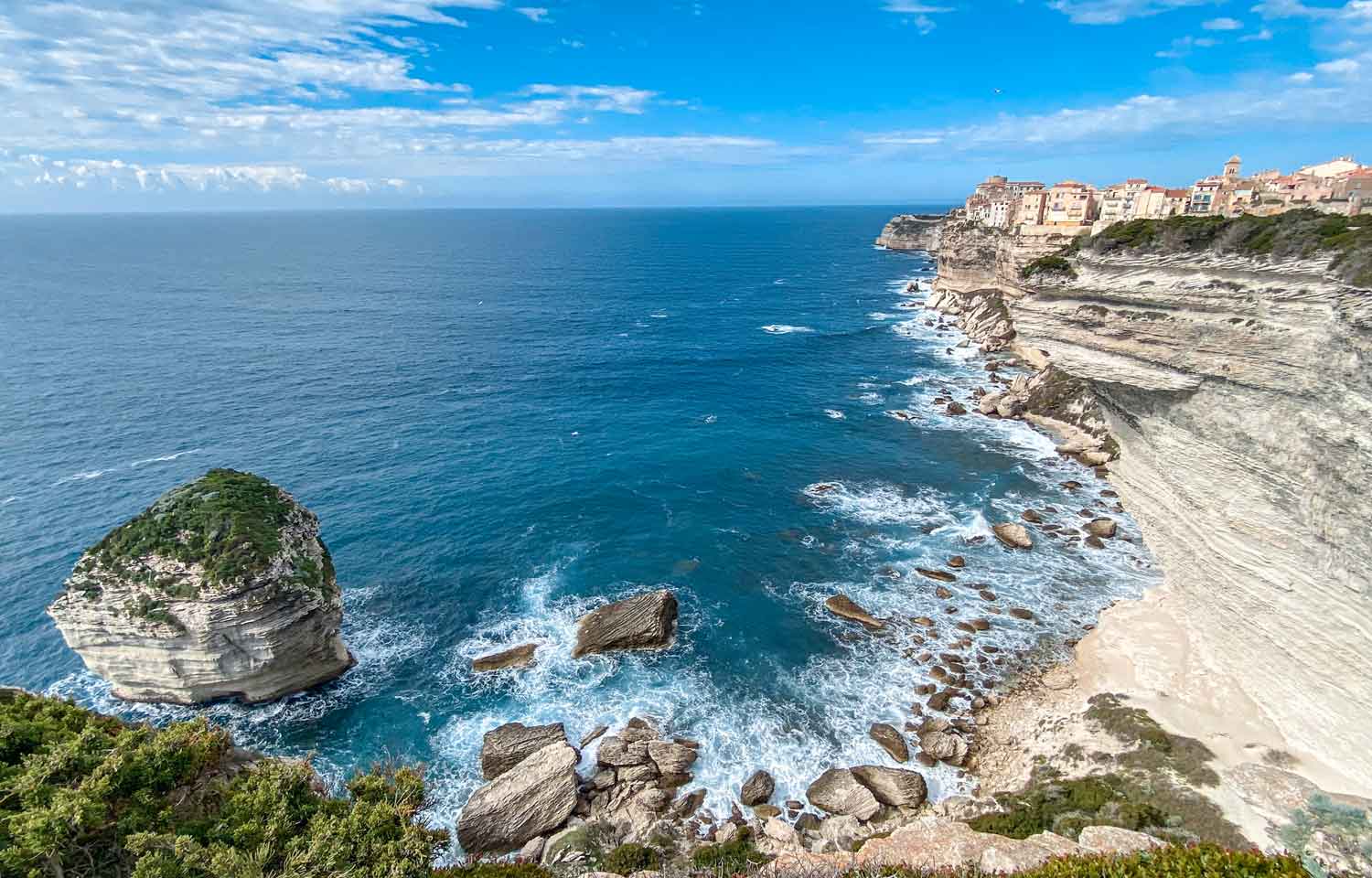
Last but not least, you can explore Corsican towns and villages in winter. It's much less crowded than in summer. You can take the Roy d'Aragon stairs in Bonifacio, visit the Napoleon museum in Ajaccio or unravel the mysteries of the citadel in Porto-Vecchio without being bothered by the crowds. In the hamlets, too, the atmosphere is more relaxed. At Zonza, Corte or Tizzano, the panorama is sumptuous twelve months of the year. But out of season, you can contemplate it in cathedral-like silence.
Corsican specialties to enjoy in winter
Although temperatures are mild in Corsica in winter, islanders love to prepare warm, comforting dishes. Starting with soups. From November to March, in restaurants and at local homes, they cook the Corsican soup. Made with white beans, pasta, bacon and charcuterie, it's the ideal dish for regaining strength after a walk on mountain trails. Also on the menu is l'aziminu, a spicy bouillabaisse with lobster, langoustine and crab. Finally, you can enjoy a civet (stufatu). Prepared from wild boar or veal raised on the island, this simmered stew is garnished with chestnuts, green olives and herbs. Don't eat meat? Try chestnut polenta (Pulenta). It's only made from November to March.
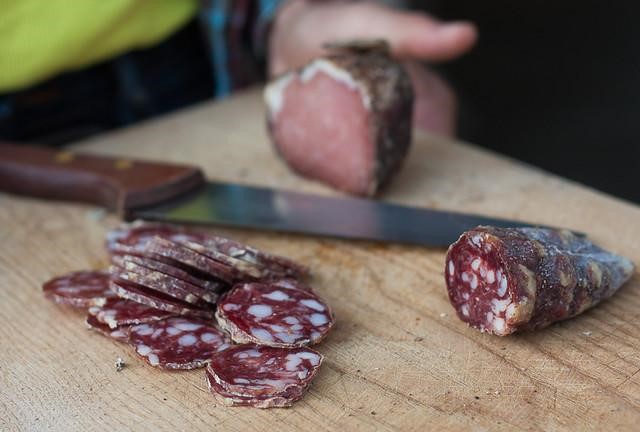
Corsican cold cuts are enjoyed from January to December. Lonzo, pancetta and prisuttu, garnish the plates. But above all, it's time to try the grilled figatellu. This liver and pork sausage is eaten dry in summer. And it's only in winter, after it's been produced, that it can be cooked on the barbecue or in the fireplace.
To accompany your figatellu or pulenta, you'll no doubt be offered brocciu. This cheese made from sheep's or goat's is a specialty eaten only between November and June.
Between charcuterie and cheese, remember to save a little room for dessert! Winter is the season for Corsican clementines. From November onwards, you'll find them at every market, on the shelves of greengrocers and on restaurant menus. With their tangy taste, they're best enjoyed on their own. But they can also be found in cakes, salads or jams.
If you come to Corsica in December, to spend Christmas and New Year with your family, you're in for a real treat. Oysters from the Diana ponds, cabri confit and lamb kebabs replace the foie gras and turkey served on the mainland during the holidays.
Are you looking forward to tasting Corsican flavors? With La Méridionale, you won't have to wait until you arrive on the island to begin your gustatory journey. All year round, our chef and his team offer a menu based on Corsican specialties and fresh, local products.