When should you head to corsica ?
Corsica is an island that feels like paradise. Nestled between the sea and the mountains, with hilltop villages and fine sandy beaches, Corsica offers a diversity rarely found in the Mediterranean.
The island of a thousand faces changes character with the passing of the seasons. The maquis blossoms in spring, the turquoise water contrasts with the red rocks in summer, and the forests take on an orange hue in autumn. But how do you know when to visit Corsica? Ultimately, one question determines everything else: what do you fancy doing? Swimming, hiking, hilltop villages or festivals will determine your ideal season.
When is the best time to visit Corsica, depending on the season?
Corsica enjoys a Mediterranean climate and plenty of sunshine for much of the year. However, the seasons are still quite distinct. Summers are hot and dry, whilst winters are mild but rainy. The weather is pleasant from April to November. Each season has its own charms: the best time to visit will depend on what you’d like to experience.
Spring: Corsica in bloom, the perfect season for hiking
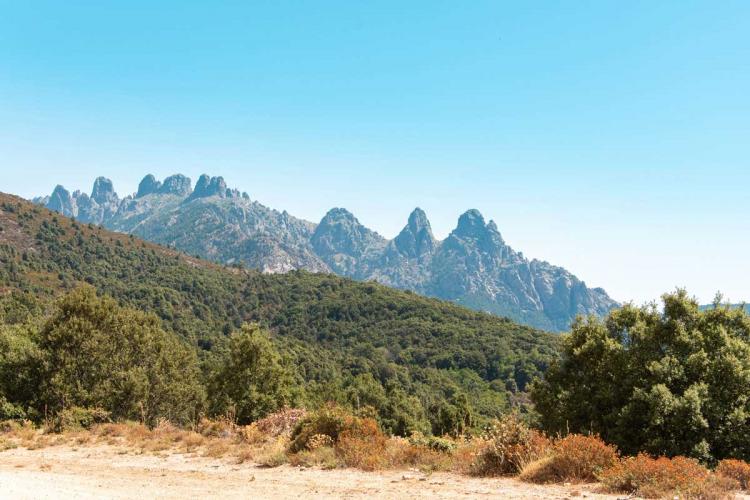
Spring, from April to June, is the ideal season for hiking and exploring the island’s interior. The maquis is fragrant, and the landscapes become more intense.
Temperatures rise gently, often ranging between 15 and 25 °C, without reaching the heat of summer. The footpaths are accessible, the villages are quiet, and prices are still reasonable.
A spring trip to Corsica thus combines walking, culture and fine dining, far from the summer crowds.
Summer: the season for the sea and the beaches
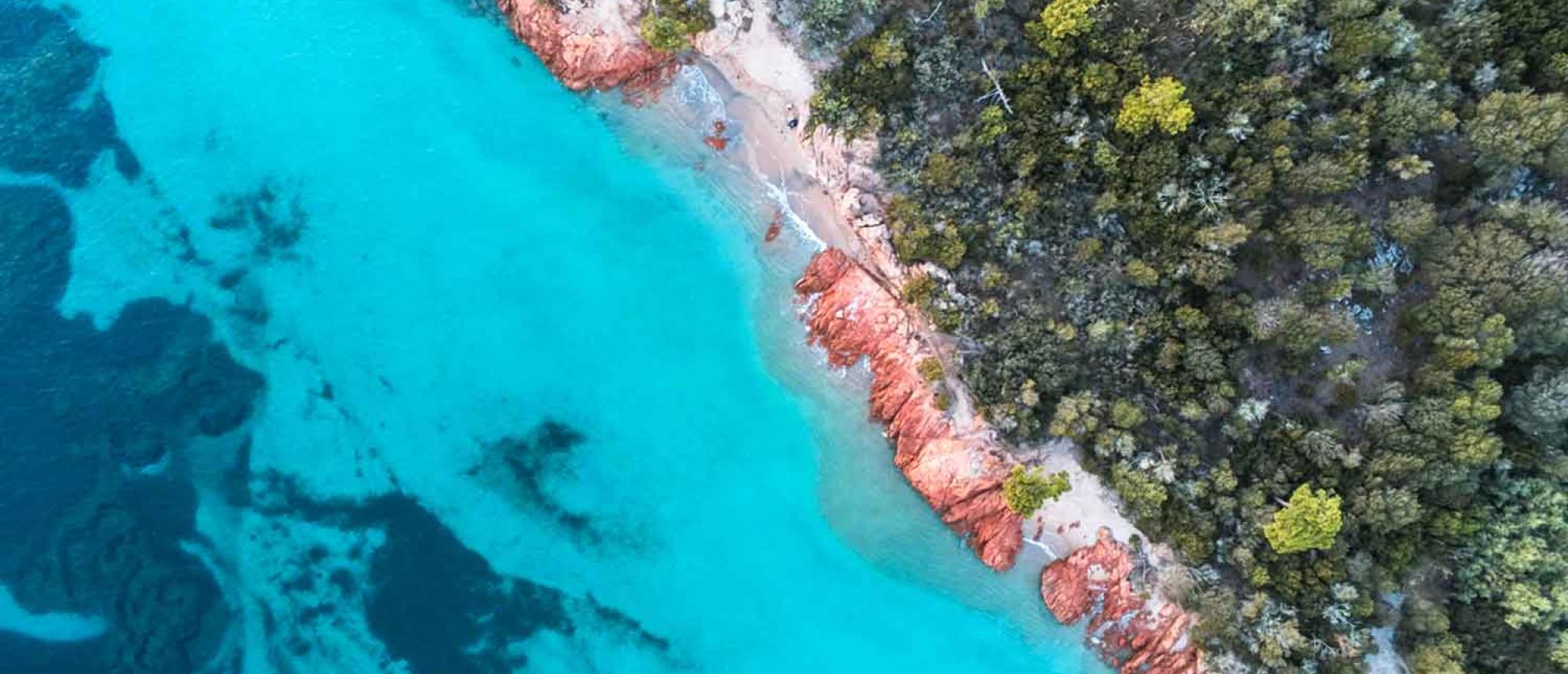
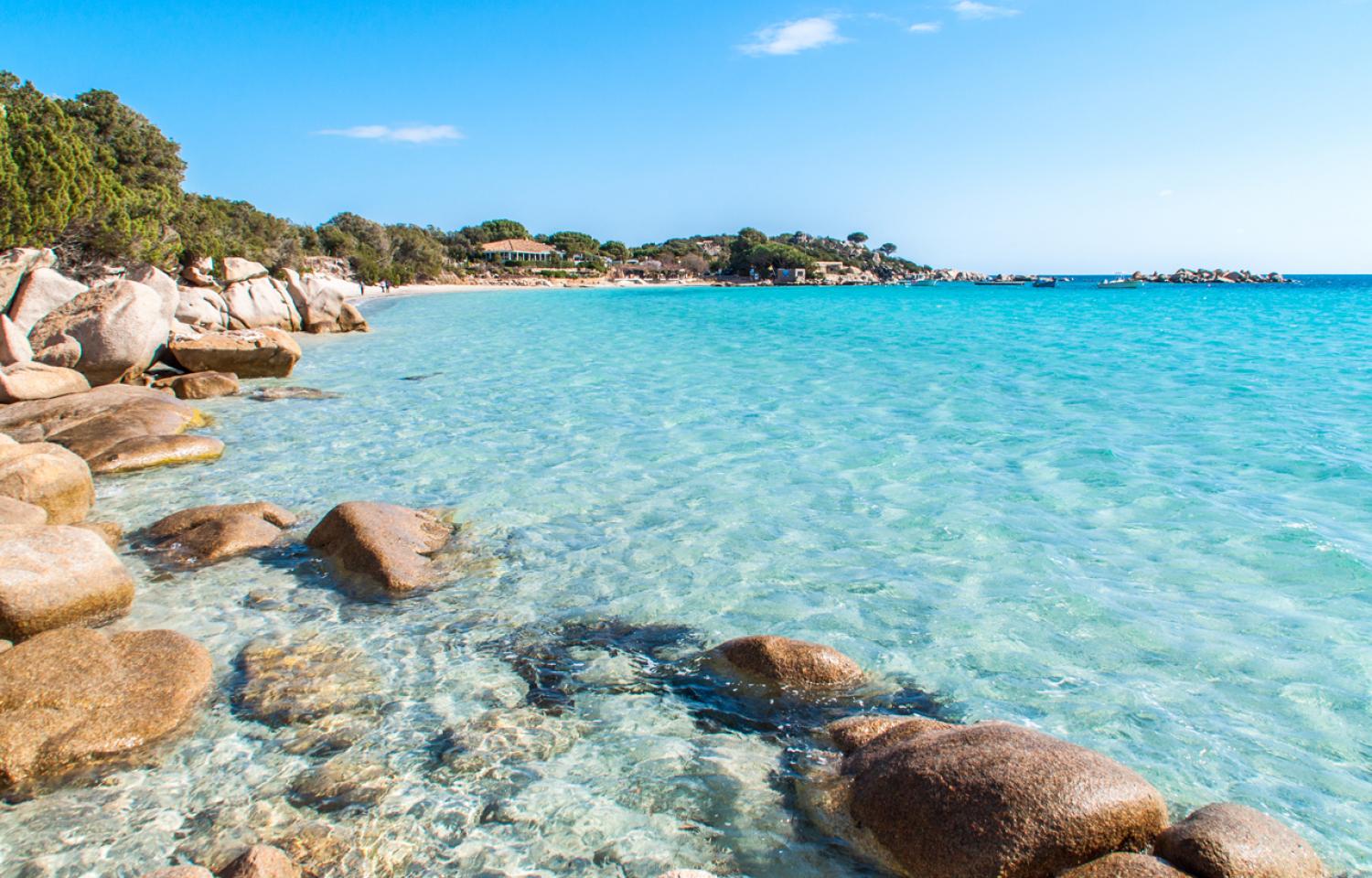
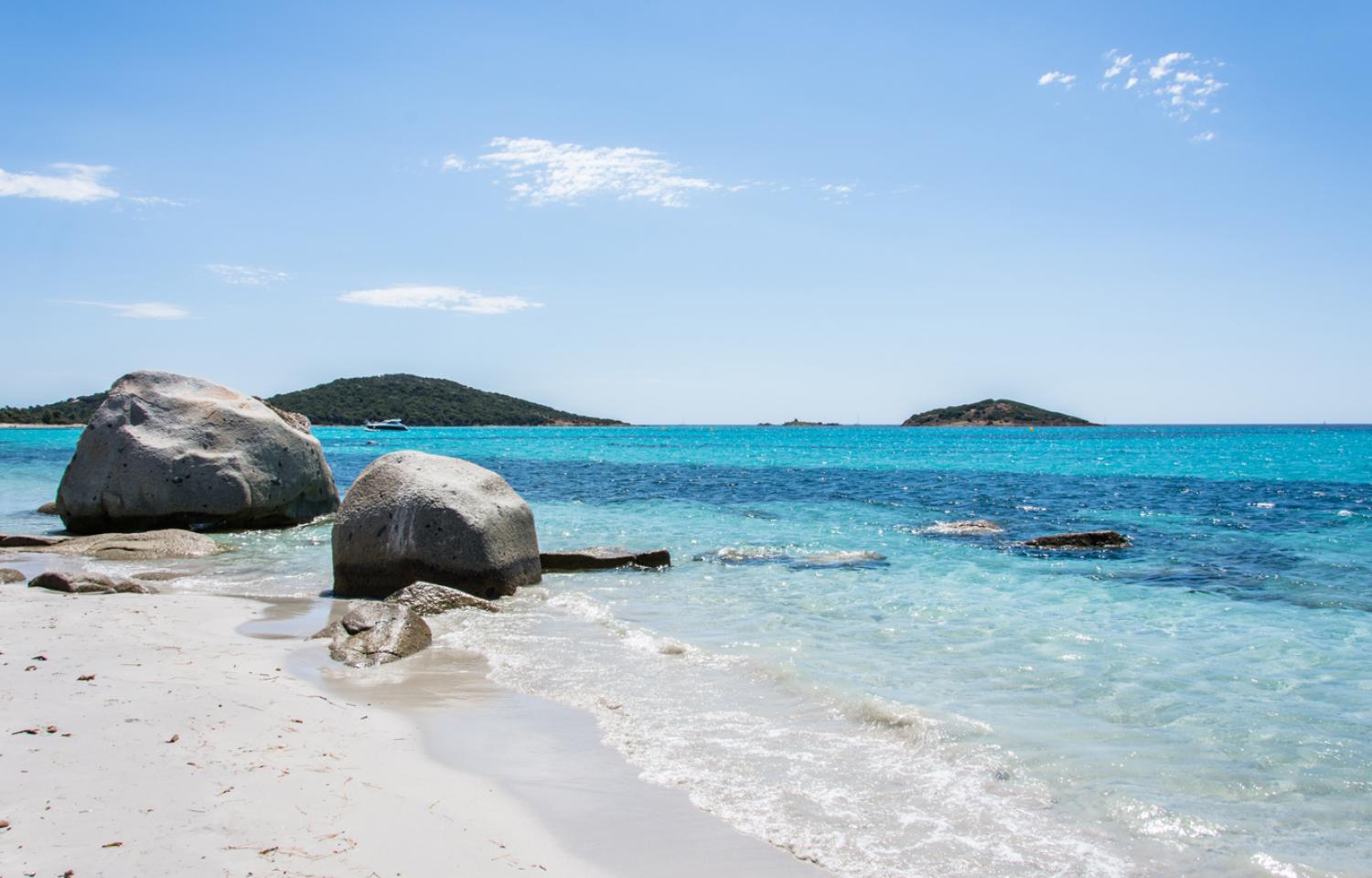
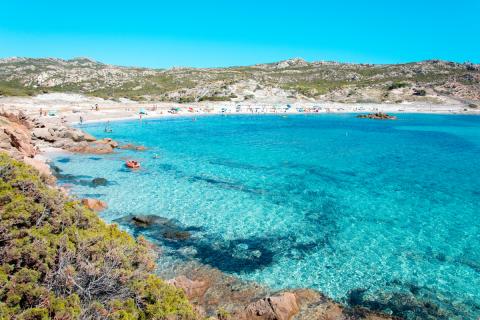
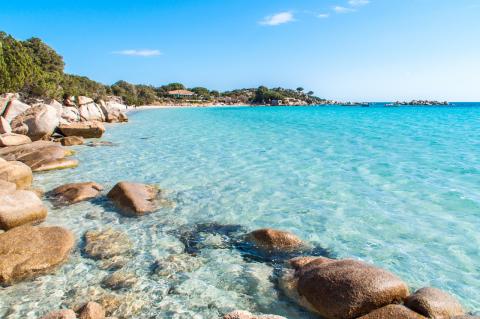
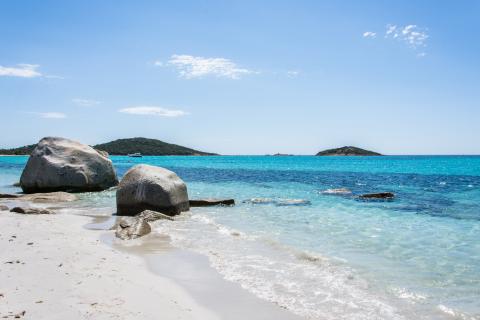
Summer, from June to September, is the best time for swimming and enjoying the beaches in Corsica. The water reaches its ideal temperature and the days are long, perfect for water sports.
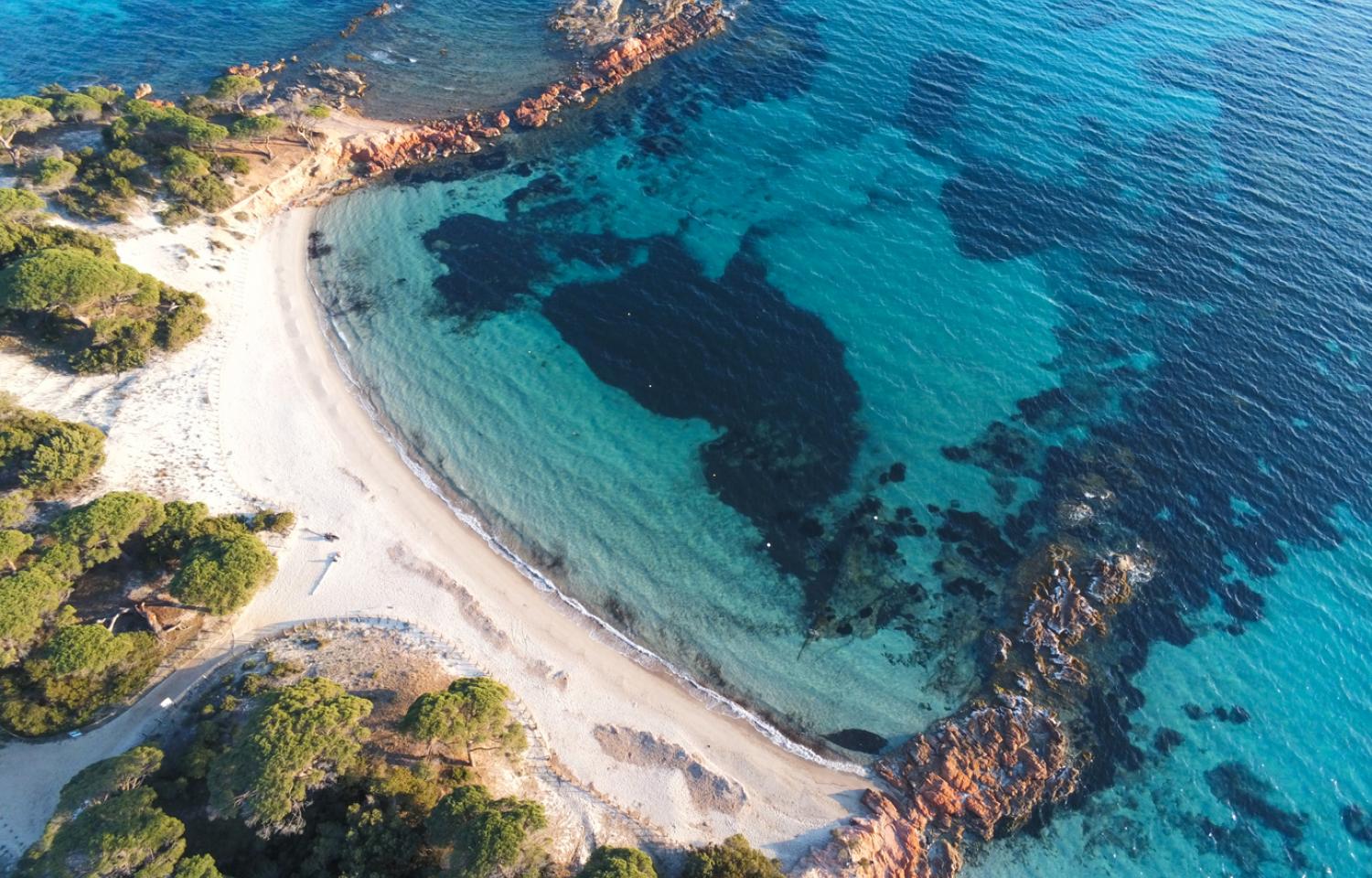
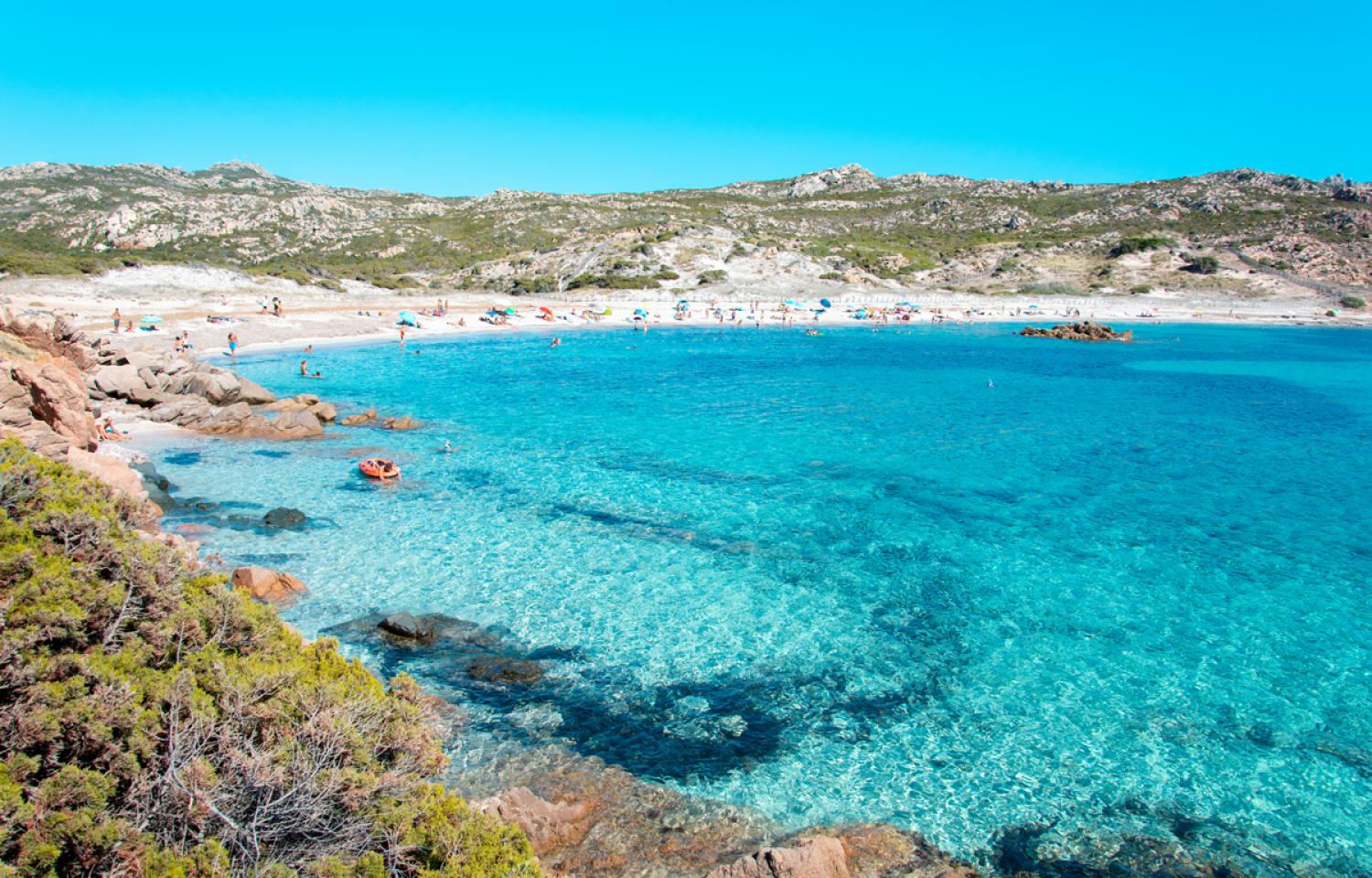
It’s the season for legendary beaches: Palombaggia, ranked amongst the most beautiful in the world; Rondinara with its two magnificent bays; Saleccia, near the Agriates Desert; and Santa Giulia with its turquoise lagoon. The cultural calendar also comes alive: Calvi on the Rocks in July, the Nuits de la Guitare in Patrimonio, and in August the Napoleonic festivals in Ajaccio, Napoleon’s birthplace.
The flip side of the coin is that summer is the peak season, and prices rise. Booking in advance is recommended, both for accommodation and ferry crossings.
Autumn: mild weather, colours and authenticity
Autumn, in September and October, is one of the best times to go hiking in Corsica, far from the sweltering heat. The sea retains the warmth of summer, temperatures remain mild and the landscapes are bathed in golden hues.
A trip to Corsica in autumn reveals a more intimate, more authentic side to the island.
Winter: Corsica off the beaten track
Winter is the quietest and most affordable time to visit Corsica. Temperatures along the coast remain relatively mild, whilst the mountains are sometimes blanketed in snow. The towns go about their business at their own pace, the restaurants serve local cuisine, and the landscapes can be explored in complete solitude.
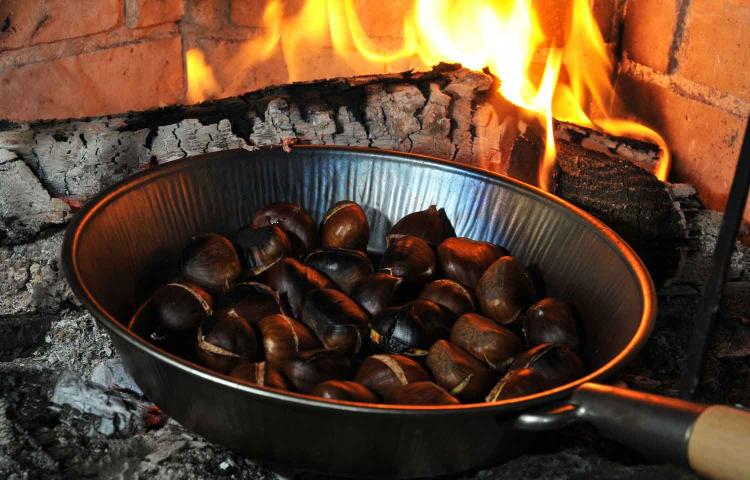
In early December, the Fiera di a castagna in Bocognano showcases local produce from Corsican agriculture, culture and crafts. La Méridionale is a partner of this event, staying true to its Corsican roots.
Lovers of heritage, gastronomy and unspoilt nature particularly appreciate this alternative way of visiting Corsica.
Climate and weather by region
The Mediterranean climate prevails across the whole island. However, Corsica’s geography creates significant variations from one area to another, and this diversity influences your choice of destination.
Haute-Corse, in the north
Haute-Corse, in the north, is slightly drier and warmer, with infrequent rainfall. The region is, however, swept by winds: the Tramontane, which is cool and powerful; the Mistral, which is dry in summer but damp in winter; and the Libeccio.
Southern Corsica
Southern Corsica is slightly cooler but remains one of the sunniest and warmest departments in France. It is sometimes affected by the Sirocco, a hot, dusty wind blowing straight from the Sahara. The areas around Ajaccio, Bonifacio and Porto-Vecchio are among the most sought-after for their mild climate.
What about you, when do you fancy heading to Corsica?
Crowds and budget depending on the time of year
The time of year you choose affects both the atmosphere and your budget. July and August see the highest number of visitors and the highest prices. Crowded beaches, busy roads, fully booked accommodation: the high season means you need to plan ahead.
May, June, September and October offer the best balance: the weather remains fine, but visitor numbers drop and prices fall. Winter remains the most economical time of year.
What activities are best for each season?
The best time to visit depends above all on what you want to do. It’s up to you to decide what you fancy so you can choose the right time.
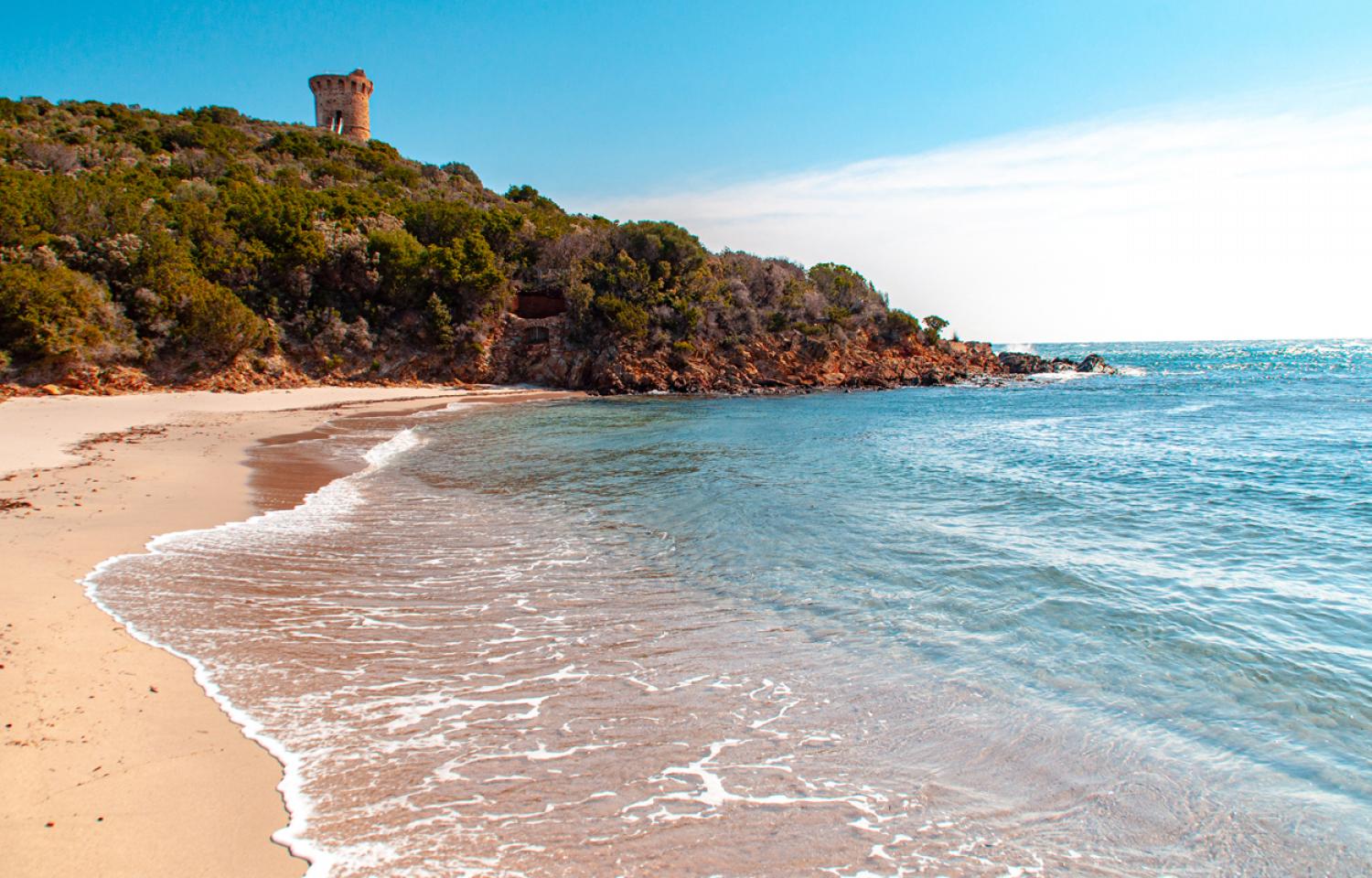
For swimming, summer offers the warmest water, from June to September, on the iconic beaches in both the south and north of the island.
Hiking through the heart of Corsica’s landscapes
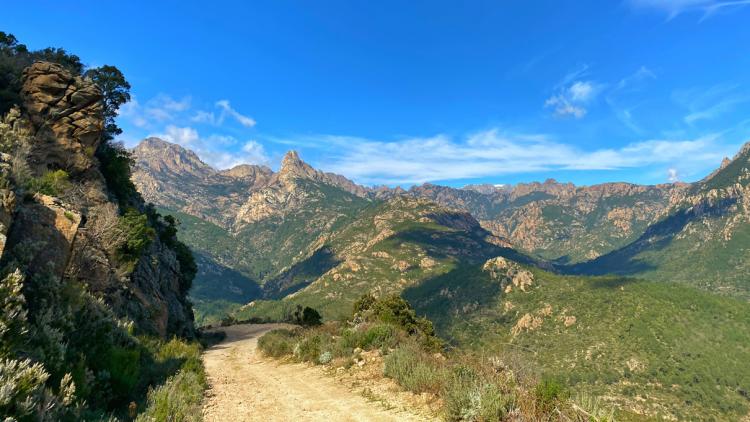
Spring and autumn offer the best conditions for hiking. The GR20 crosses the island from north to south for nearly 180 kilometres. Suitable only for experienced hikers, it takes around sixteen days to complete, at a rate of one stage and seven hours’ walking per day. Other sites delight hikers: the Calanques of Piana, the Scandola Nature Reserve, the Lavezzi Islands and the Agriates Desert.
Towns and villages to visit
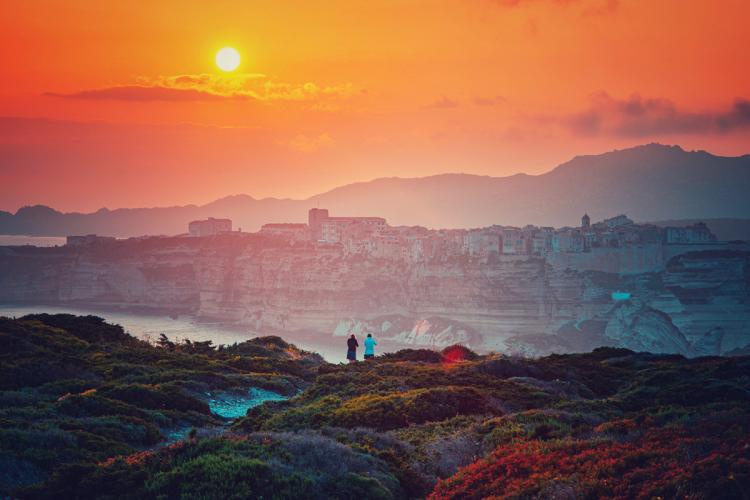
In terms of towns and villages, the weather is at its best from April to November. Ajaccio charms visitors with its Napoleonic heritage. Bonifacio is a sight to behold, perched on its white limestone cliffs. Calvi and its Genoese citadel, Corte and its rocky outcrop, Saint-Florent and its AOC wines, and Porto-Vecchio and its citadel each have their own distinct character.
Concerts and festivals all year round
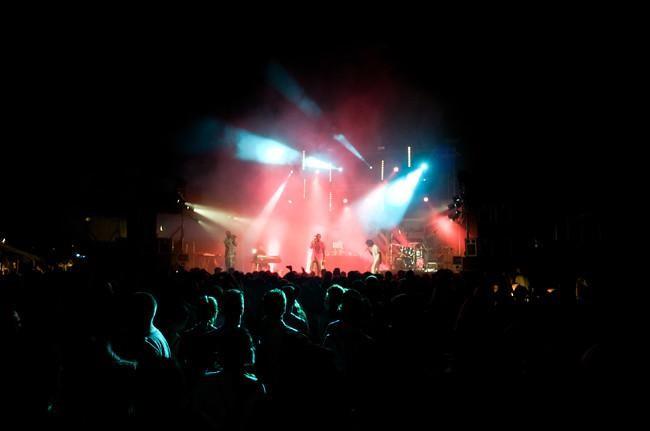
The Corsican music scene sets the pace for the seasons: Jazz in Aiacciu in June, Calvi on the Rocks and Nuits de la guitare in Patrimonio in July, the Rencontres polyphoniques de Calvi in September, and the Musicales de Bastia in November.
Frequently asked questions about travelling to Corsica
When is the best time to visit Corsica?
May, June, September and October offer the best balance: fine weather, a sea that is still or already warm, and fewer visitors compared to the summer.
When is the best time to go swimming in Corsica?
The sea is suitable for swimming from early June to September. It reaches its most pleasant temperature in the height of summer and remains warm until October.
When is the best time to go hiking in Corsica?
Spring (April to June) and autumn (September to October) are the best times for hiking in Corsica. Temperatures are mild and the maquis is in bloom in spring.
How long does the GR20 take?
The GR20 is nearly 180 kilometres long and takes around sixteen days to complete, at a rate of one stage and seven hours’ walking per day. It is suitable for experienced walkers only.
When is the cheapest time to visit Corsica?
Winter is the most economical and quietest time to visit Corsica. Spring and autumn are still more affordable than the peak season in July and August.
How do you get to Corsica from Marseille?
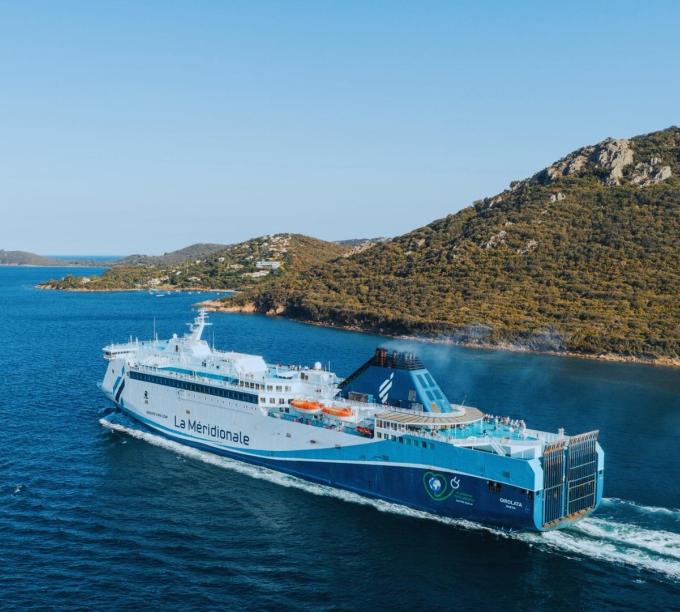
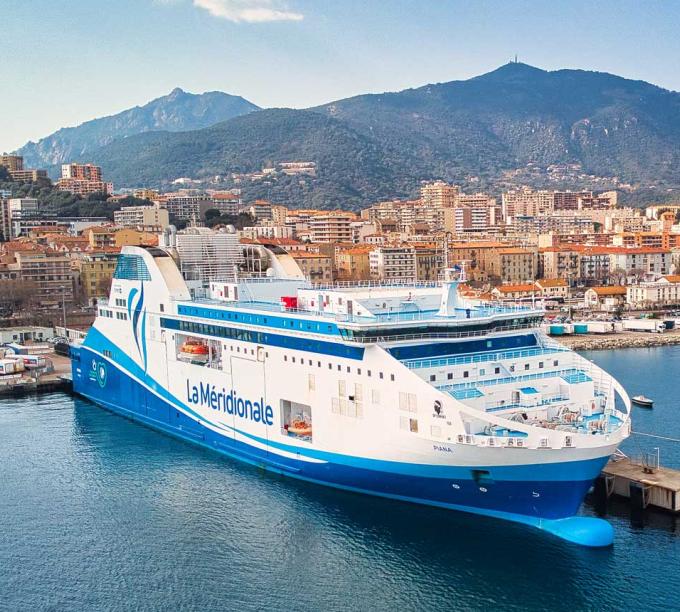
La Méridionale operates ferry services from Marseille to Ajaccio and Porto-Vecchio. The crossing allows you to take your car on board and explore the island at your own pace.
So, when is the best time to visit Corsica?
There’s no such thing as a bad time of year to visit Corsica – just different preferences. Summer for the sea, spring and autumn for hiking and mild weather, and winter for peace and quiet. Whatever the time of year, Corsica retains what gives it its character: spectacular natural scenery, a strong sense of identity and a deeply Mediterranean way of life. Decide what you’re looking for, choose your time of year, and let the ferry crossing mark the start of your journey.